
What to Eat and Avoid When on a Full Liquid Diet

If your gastroenterologist has recently recommended a full liquid diet, you might be feeling overwhelmed or uncertain about what lies ahead. We understand this transition can feel challenging, and it’s completely normal to have questions about how to maintain proper nutrition while following these dietary guidelines. Let me walk you through everything you need to know to make this experience as smooth and nutritious as possible.
Understanding Why Your Gastroenterologist Put You on a Full Liquid Diet
Your doctor has recommended a liquid diet for important medical reasons that support your digestive health and recovery. Unlike a clear liquid diet, which includes only transparent beverages and broths, a full liquid diet allows for a wider variety of liquid foods that can provide better nutritional support while still giving your digestive system the rest it needs.
Common reasons for prescribing this dietary approach include preparing for certain medical procedures, recovering from gastrointestinal surgery, managing severe digestive symptoms like vomiting, or addressing conditions that make chewing and swallowing solid foods difficult. The goal is to reduce the workload on your digestive tract while ensuring your body receives adequate calories and nutrition.
This temporary dietary modification helps minimize irritation to your gastrointestinal system while maintaining your caloric intake and providing essential nutrients your body needs to heal and function properly.
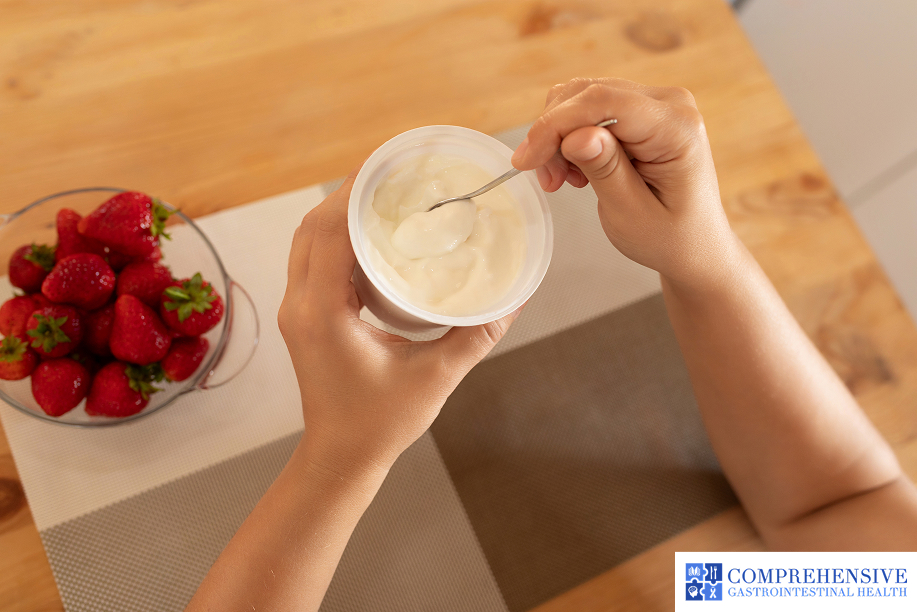
Foods You Can Eat On a Full Liquid Diet
The good news is that a full liquid diet offers more variety than you might initially think. You can enjoy smooth, creamy textures that flow easily and don’t require chewing.
These items are full-go when on a liquid diet:
- Dairy and Dairy Alternatives: Whole milk, low-fat milk, soy milk, almond milk
- Smooth Dairy-Based Foods: Plain yogurt, flavored yogurt (no chunks or seeds), ice cream, sherbet
- Desserts: Custard, pudding, gelatin desserts
- Blended Beverages: Milkshakes, smoothies, protein shakes
- Soups and Broths: Strained cream soups, clear broths, bouillon
- Grains: Refined hot cereals like cream of wheat (thinned), smooth strained oatmeal
- Beverages: Fruit juices without pulp, vegetable juices (strained), coffee, tea, sports drinks, electrolyte beverages
- Other Additions: Smooth nut butters (thinned), honey, maple syrup, nutritional supplements
Remember to consume these items at room temperature or slightly warm, as extreme temperatures can sometimes cause discomfort.
Related Article: Low Residue Diet—What Can You Eat?
Foods to Avoid on a Full Liquid Diet
While following your full liquid diet, it’s crucial to avoid anything that requires chewing or contains solid pieces, even small ones.
Avoid these items:
- Any solid foods, including soft breads and crackers
- Chunky soups or broths with vegetables or meat pieces
- Yogurt with fruit pieces, nuts, or granola
- Pulpy juices or beverages with particles
- Nuts, seeds, and popcorn
- Raw fruits and vegetables
- Cooked vegetables or fruits with skins
- Meat, poultry, and fish in any form
- Cheese (unless melted and strained smooth)
Even foods that seem soft, like mashed potatoes or soft pasta, should be avoided unless they can be completely liquified and strained smooth.

Why This Diet is Beneficial For You
Your full liquid diet serves several important therapeutic purposes. By eliminating the need for chewing and providing easily digestible nutrition, this approach allows your digestive system to focus on healing rather than breaking down complex foods.
The liquid format ensures faster gastric emptying, which can help reduce symptoms like nausea and vomiting while providing your body with essential calories and nutrients. This dietary approach also helps prevent dehydration and maintains your energy levels during recovery.
For patients preparing for procedures, liquid foods clear the digestive tract more efficiently than solid foods, ensuring better procedural outcomes. The smooth consistency of these foods also reduces mechanical irritation to sensitive digestive tissues.
Cons of a Full Liquid Diet
While medically necessary, it’s important to understand that a full liquid diet does come with certain nutritional challenges that we need to address thoughtfully.
- Reduced Fiber: Liquid foods typically lack the fiber found in whole fruits, vegetables, and grains, which can affect digestive health and bowel regularity
- Limited Calories: It can be challenging to consume enough calories in liquid form to meet your daily energy needs
- Vitamin and Mineral Deficiencies: Without careful planning, you may miss important nutrients typically found in solid foods
- Protein Concerns: Meeting protein requirements can be difficult without incorporating nutritional supplements
- Satiety Issues: Liquid foods may not provide the same feeling of fullness as solid foods, potentially leading to hunger between meals
This is why working closely with your healthcare team and possibly a registered dietitian becomes so important during this time.

Nourishing Recipe Ideas for Full Liquid Nutrition
Sticking to a liquid diet doesn’t mean sacrificing flavor or nutrients. Here are a few liquid diet recipes.
Recipe #1: High-Protein Vanilla Berry Smoothie
- 1 cup whole milk
- 1/2 cup plain yogurt
- 1/4 cup vanilla ice cream
- 2 tablespoons protein powder
- 1/4 cup strained berry juice
- 1 tablespoon honey
Blend until completely smooth and serve at room temperature.
Recipe #2: Nutritious Chocolate Peanut Butter Milkshake
- 1 cup chocolate milk
- 2 tablespoons smooth peanut butter
- 1/4 cup vanilla ice cream
- 1 tablespoon nutritional supplement powder
- Ice cubes as needed
Blend thoroughly and strain if necessary for complete smoothness.
Recipe #3: Savory Cream of Vegetable Soup
- 1 cup vegetable broth
- 1/4 cup heavy cream
- 2 tablespoons strained vegetable juice
- Pinch of salt and herbs
Heat gently and strain through a fine mesh before serving.
These recipes help ensure you’re getting adequate protein, calories, and nutrients while following your dietary restrictions. For more, click here.
Embracing Healing Through Nutrition
Following a full liquid diet may feel restrictive initially, but remember that this is a temporary, therapeutic step toward better digestive health. By working closely with a Northbrook gastroenterologist and potentially a registered dietitian, you can successfully navigate this dietary phase while maintaining proper nutrition and supporting your body’s healing process.
Stay patient with yourself during this transition, focus on the variety of delicious liquid options available to you, and remember that each day on this diet brings you closer to resuming your regular diet. Your commitment to following these guidelines is an investment in your long-term digestive health and overall well-being.
If you experience any concerns or have questions about your liquid diet, don’t hesitate to reach out to your healthcare team. We’re here to support you every step of the way on your journey back to optimal digestive health.