
Colonoscopy Near Glenview, IL

Office Hours:

Monday: 7:00 a.m. to 6:00 p.m.
Tuesday: 7:00 a.m. to 6:00 p.m..
Wednesday: 7:00 a.m. to 6:00 p.m.
Thursday: 7:00 a.m. to 6:00 p.m.
Friday: 7:00 a.m. to 5:30 p.m.
Saturday: two to three per month 7:00 a.m. to 1:30 p.m. (please call the office for specific dates available)

If you’re looking for a colonoscopy near Glenview, IL, there’s a good chance you’re experiencing ongoing digestive symptoms or following through on preventive screening as recommended by your provider. Whether it’s abdominal discomfort, unexplained changes in your bowel patterns, or rectal bleeding that brought you here, Comprehensive Gastrointestinal Health is ready to help you gain clarity and peace of mind.

We offer detailed colorectal evaluations using advanced tools—combining accuracy with patient-centered care—to ensure you get the answers you need with ease and confidence.
Why a Colonoscopy Matters

A colonoscopy is one of the most effective methods for evaluating the health of your colon and rectum. By inserting a thin, flexible tube equipped with a high-resolution camera, our gastroenterologist near Glenview can directly view the intestinal lining, detect abnormalities, and remove risky growths during the same procedure if needed.

Many gastrointestinal conditions present with vague or overlapping symptoms, and a colonoscopy plays a key role in distinguishing between them. Importantly, it is also the gold standard for identifying and preventing colon cancer—often by finding and removing precancerous polyps before they become dangerous.

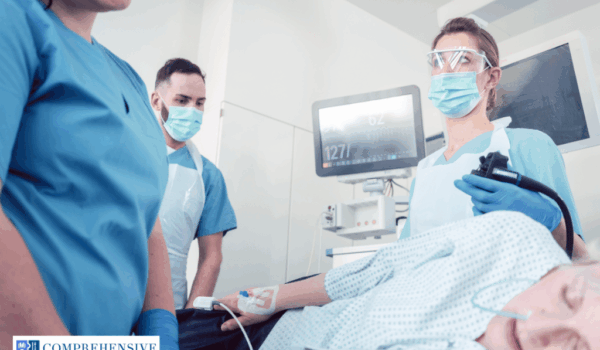
Patient lying sideways asleep during colonoscopy with doctors and nurses in operating room
Doctor talking to a patient during a gastroenterology consultation.

When Should You Schedule a Colonoscopy?

Screening colonoscopies are generally recommended for adults beginning at age 45. However, you may need earlier or more frequent exams based on medical history, symptoms, or family background. You should speak to a provider about scheduling an exam if you’re experiencing:

  • Ongoing changes in bowel function
  • Blood in your stool
  • Chronic digestive discomfort
  • Symptoms such as fatigue or weight loss without a known cause
  • A personal or family history of colon cancer or polyps
  • A diagnosis of Crohn’s disease or ulcerative colitis
  • Abnormal results on a stool-based screening test

Colonoscopies are critical not only for detection but also for prevention. Identifying issues early keeps treatment less invasive and more effective.

What to Expect: Before, During, and After

In Preparation

You’ll be given specific instructions to clean out your colon the day before your appointment. This process typically involves a modified diet and a prescribed bowel prep solution. Following these steps carefully ensures our gastroenterologist has a clear view during the procedure.

During the Procedure

The colonoscopy itself usually takes 20 – 30 minutes. You’ll be given sedation to keep you comfortable and relaxed. Throughout the exam, your doctor will carefully navigate through the colon, examine the tissue, and may remove polyps or take tissue samples if anything abnormal is seen.

After the Exam

Once the procedure is complete, you’ll spend a short time in recovery as the sedation wears off. Most people feel back to normal within a few hours, though you’ll need someone to drive you home. Minor bloating or cramping can occur but typically resolves quickly. You’ll be able to return to your regular routine later that day unless instructed otherwise.

Your Next Steps

After the colonoscopy, your clinician will meet with you to go over the results. If samples were taken, we’ll reach out with pathology findings once they’re available—typically within a few days.

From there, your provider may recommend additional tests, medication, lifestyle changes, or simply continued routine monitoring.

You’ll never be left wondering what to do next. We’ll walk with you through each phase of your care to make sure your questions are answered, and your plan is clear.

Conditions a Colonoscopy Can Detect

This procedure is a valuable tool for identifying a range of gastrointestinal problems and determining next steps for treatment. A colonoscopy can help pinpoint:

  • Colon or rectal cancer
  • Polyps that could turn cancerous
  • Inflammatory bowel diseases like ulcerative colitis or Crohn’s
  • Diverticulosis
  • Internal sources of GI bleeding
  • Narrowing or structural abnormalities in the colon

Whether you’re seeking routine screening or answers to specific symptoms, a colonoscopy offers the clarity needed for informed care and appropriate follow-up.

Why Choose Comprehensive Gastrointestinal Health

At Comprehensive Gastrointestinal Health, we deliver more than diagnostics—we offer meaningful support throughout your gastrointestinal care journey. Our board-certified specialists bring years of experience and a personalized approach to every patient interaction, shaped by attentive listening and thoughtful communication.

We take the time to explain procedures, results, and recommendations in ways that make sense. From first-time screenings to ongoing care for chronic conditions, our team provides a clear, compassionate roadmap based on the latest evidence and your individual needs.

We also offer integrative support with on-site nutrition guidance and coordinated management plans for individuals dealing with chronic issues like IBD or irritable bowel syndrome.

Get Started with a Colonoscopy Near Glenview, IL

Taking charge of your digestive health starts with informed screening and proactive care. At Comprehensive Gastrointestinal Health, we’re here to help you take that step with expert guidance and personalized attention.

Whether you’re staying on top of preventive screenings or seeking insight into persistent symptoms, contact our team today to schedule your colonoscopy near Glenview, IL.

We’re committed to keeping your health on track—every step of the way.