Colonoscopy Near Highland Park, IL

Office Hours:

Monday: 7:00 a.m. to 6:00 p.m.
Tuesday: 7:00 a.m. to 6:00 p.m..
Wednesday: 7:00 a.m. to 6:00 p.m.
Thursday: 7:00 a.m. to 6:00 p.m.
Friday: 7:00 a.m. to 5:30 p.m.
Saturday: two to three per month 7:00 a.m. to 1:30 p.m. (please call the office for specific dates available)

Searching for a colonoscopy near Highland Park, IL, often means it’s time to take an important step toward your long-term digestive wellness. Whether prompted by new symptoms or a recommendation for routine colorectal screening, this decision reflects a proactive approach to your health.

At Comprehensive Gastrointestinal Health, we work closely with individuals throughout the Highland Park community to detect, manage, and prevent issues affecting the lower gastrointestinal tract. Our experienced team delivers thorough assessments and compassionate care in a setting designed to prioritize your comfort, clarity, and confidence.

How the Colon Functions—And Why It Matters

Before discussing screenings or treatments, understanding the role of the colon in everyday health can be helpful.

The colon, or large intestine, is the final part of your digestive tract. After nutrients are absorbed in the small intestine, what remains moves into the colon, where water is extracted, and waste is stored until it exits the body. Often underestimated, the colon actually plays a critical role in managing hydration, eliminating toxins, and supporting your body’s internal balance through a thriving microbiome.

Disruptions in colon function can show up as bloating, changes in bowel habits, or bleeding. In more serious cases, the colon can be the site of polyps, inflammation, or colorectal cancer. Preventive screening, like a colonoscopy, helps ensure that subtle warning signs are identified before they become more dangerous.

Woman making a heart shape with her hands on her stomach.
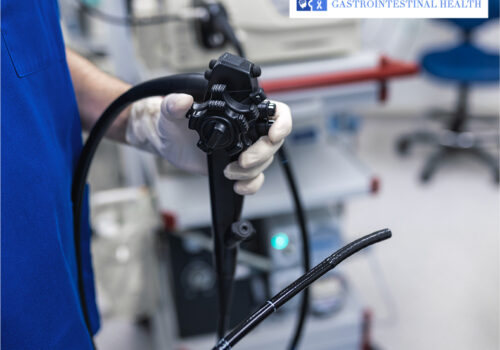
Doctor holding a colonoscopy scope in a hospital examination room before a procedure

What Is a Colonoscopy?

A colonoscopy is a nonsurgical procedure that allows a gastroenterologist to visually examine the lining of your large intestine—including the rectum and colon—using a slender, flexible scope mounted with a tiny camera. Clear imaging allows the doctor to view inflammation, ulcers, polyps, or abnormal growths in real time. If necessary, the physician can also take tissue samples (biopsies) or remove small growths during the process.

This test is considered the most accurate way to detect colorectal cancer in its early stages and is a powerful tool in evaluating recurring GI symptoms.

Who Should Have a Colonoscopy?

Most adults with average risk should plan their first colonoscopy around age 45, as recommended by leading public health organizations. However, screening may need to start earlier or occur more frequently if any of the following apply to you:

  • A close family member has a history of colon cancer or polyps
  • You’ve been diagnosed with Crohn’s disease or ulcerative colitis
  • You’re experiencing unexplained weight loss, fatigue, or iron-deficiency anemia
  • There’s persistent rectal bleeding, cramping, or bowel pattern changes
  • A stool-based screening test has shown abnormal results
  • You’ve had polyps identified in a previous colonoscopy

By assessing personal and family history, we help patients determine the right interval and method for screening.

Doctor talking to a patient during a gastroenterology consultation.

Steps of the Procedure: What to Anticipate

Understanding what happens before, during, and after the procedure can help you feel more at ease.

Leading Up to Your Visit

Before your exam, you’ll be provided with a detailed preparation plan for emptying your colon. This typically includes dietary restrictions and a cleansing solution the day prior. While prep isn’t the most exciting part, it’s vital for getting accurate results.

During the Colonoscopy

You’ll be comfortably sedated to ensure you feel no pain or anxiety. The exam generally takes 20 to 30 minutes, and you’ll be cared for by a specialized GI team at every step.

Afterward

As you begin to wake from sedation, you’ll rest in our recovery area. Most patients resume normal routines within a few hours, though having a friend or family member drive you home is important. Some bloating or gas may linger briefly after the exam, but it typically resolves quickly.

Conditions a Colonoscopy Can Reveal

This straightforward procedure can unlock a wealth of diagnostic insight. Beyond early cancer detection, a colonoscopy can help identify or monitor:

  • Colorectal cancer or pre-cancerous polyps
  • Inflammatory bowel disease (IBD), including Crohn’s and ulcerative colitis
  • Diverticular disorders (diverticulosis)
  • Ulcers or internal bleeding
  • Structural abnormalities like narrowing (strictures) or abnormal tissue

With this information, your physician can craft a treatment approach that aligns with your diagnosis, symptoms, and long-term goals.

Caring for Highland Park with Personalized Digestive Health Services

We believe that earnestly listening to patients and tailoring care to their needs leads to better outcomes and greater peace of mind. At our practice near Highland Park, colon health isn’t just about testing—it’s about empowering people to take charge of their wellness.

Our board-certified gastroenterologists near Highland Park offer advanced screening in a calm, unrushed setting. You’ll be provided with clearly communicated next steps and a plan that takes your individual circumstances into account.

For patients dealing with chronic GI conditions, we also offer integrated care with dietitians and behavioral health support—aimed at treating not just symptoms, but their root causes.

Understanding Your Results & Long-Term Outlook

Following your procedure, we’ll sit down with you to review everything we found. If polyps were removed or biopsies taken, pathology results are typically returned within a few days. Based on what we learn, we may:

  • Recommend ongoing monitoring or lifestyle adjustments
  • Schedule a follow-up procedure in a specific time frame
  • Refer you to additional specialists when needed

We’ll make sure the next steps are clear and that you feel confident moving forward with the care you need.

Begin Your Path to Preventive Digestive Care

Taking a proactive approach to colon health can reduce your risk of colorectal disease and offer lasting peace of mind. Whether you’re due for a screening or dealing with unexplained digestive symptoms, our team near Highland Park, IL, is here to provide expert support.

Let us help you take control of your well-being with clarity, comfort, and care you can trust.

Contact us today to schedule your colonoscopy or speak with one of our specialists about your symptoms and health history.