
Can You Eat After an Endoscopy?

If you find yourself hungry after an endoscopy, you’re most likely wondering when, or even if, you can eat after an endoscopy. This is a question we receive from patients all the time.
The good news is that, yes, you absolutely can eat after an endoscopy. However, timing and food choices play crucial roles in your comfort and healing process. Your digestive system has just been through a medical procedure and needs some gentle care as it returns to normal function.
Whether you’ve had an upper endoscopy to examine your esophagus, stomach, and duodenum, or a different type of endoscopic procedure, your body requires specific support during recovery. Understanding what your digestive system needs will help ensure a smooth transition back to your regular eating routine.
This guide will walk you through everything you need to know about safely nourishing your body after your endoscopy.

Understanding What Your Body Just Experienced
During your endoscopy, your doctor used a thin, flexible tube equipped with a tiny camera to examine your digestive tract. This flexible tube traveled through your mouth, down your throat, and into your upper digestive system. The scope examined your esophagus, stomach, and the upper part of your small intestine called the duodenum.
This medical procedure helps doctors detect various conditions. These range from ulcers and inflammation to more serious concerns like colon cancer or colorectal cancer screening. Your doctor carefully maneuvered the scope to get clear views of your digestive tract. Sometimes they took tissue samples or treated certain conditions during the procedure.
Most patients receive sedation or anesthesia to stay comfortable during the procedure. The medication affects your body’s natural reflexes while you rest. This includes your ability to swallow safely. Your throat may also feel sore or numb from the scope’s passage. This is why timing your return to eating is crucial for avoiding complications.
When You Can Start Eating Again
The wonderful news is that you can typically eat as soon as you’re fully awake and alert after your endoscopy. Your medical team will assess your readiness by making sure you can swallow your own saliva comfortably and that you’re mentally clear from the sedation.
Your throat might feel slightly sore or scratchy from the flexible tube passage. This is completely normal and shouldn’t prevent you from eating. Your digestive system is designed to handle food immediately after the procedure. The scope doesn’t damage your ability to digest food or require extensive recovery time.
If your doctor took tissue samples during your upper GI endoscopy, your digestive tract can still handle food right away. The sampling areas are tiny and heal quickly. Your body’s natural healing processes work efficiently while you continue your normal eating routine.
Related Article: How Long Does an Endoscopy Take?
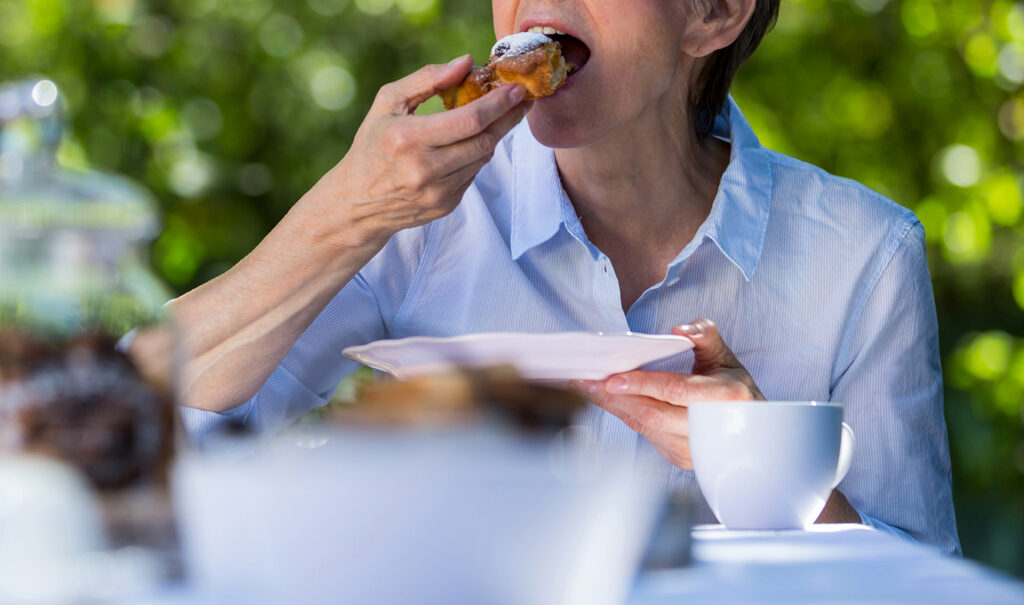
Your Immediate Post-Endoscopy Eating Plan
Start with What Appeals to You
Once you’re cleared to eat, you can choose foods based on your comfort level and preferences. Many patients find that starting with familiar, comforting foods—sometimes continuing with selections from their full liquid diet—helps them feel more at ease. Listen to your body and eat what sounds appealing to you.
Some patients prefer to start with lighter options, such as clear liquids, broths, or easily digestible foods. Others feel ready for their regular meals immediately. Both approaches are perfectly acceptable. Your digestive system is prepared to handle whatever you choose to eat.
Consider Your Comfort Level
Your throat might feel slightly tender, so some people prefer softer foods for the first meal or two. This is a personal preference rather than a medical requirement.
Mashed potatoes, smooth yogurt, scrambled eggs, and well-cooked pasta are popular choices for patients who want something gentle. However, if you’re craving a sandwich or your favorite meal, there’s no medical reason to avoid it.
Return to Your Normal Diet
Most patients can resume their complete regular diet immediately after their procedure. Your digestive system doesn’t require a gradual reintroduction of foods. Your esophagus, stomach, and small intestine are ready to process your usual meals without any special preparation period.
Foods You Can Enjoy Immediately
All Foods Are Options
You have complete freedom in your food choices after an endoscopy. Your digestive tract can handle everything from light snacks to full meals. There are no specific foods you must avoid for medical reasons related to the procedure.
Excellent immediate options include whatever you’re craving: regular meals, comfort foods, or light snacks. Your body will tell you what it wants, and you can trust those signals. Some patients enjoy mashed potatoes, soups, sandwiches, or even their favorite restaurant meal.
Personal Preferences
While all foods are medically acceptable, you might have personal preferences based on how you feel. Some patients prefer avoiding alcohol initially, not because it’s medically contraindicated, but because they want to ensure they’re fully recovered from sedation.
Similarly, some people choose to avoid very spicy or acidic foods for the first day, simply because their throat might be slightly sensitive. These are comfort choices rather than medical requirements.
Listening to Your Body
Your digestive system is remarkably efficient at returning to normal function after an endoscopy. Trust your body’s signals about what it wants to eat. If something doesn’t appeal to you, simply choose something else. There’s no need to force yourself to eat specific foods or follow rigid guidelines.
Pay attention to how different foods make you feel, just as you would on any normal day. Your body’s wisdom about what it needs is reliable and trustworthy after an endoscopy procedure.
When to Contact Your Doctor
While some mild discomfort is expected after an endoscopy, certain symptoms warrant immediate medical attention. Contact your doctor if you experience:
- Severe or persistent abdominal pain
- Difficulty swallowing that doesn’t improve after several hours
- Persistent nausea and vomiting
- Signs of bleeding, such as vomiting blood or passing black, tarry stools
- Fever or chills
- Severe throat pain that worsens rather than improves
These symptoms could indicate complications that require prompt medical evaluation. Remember, it’s always better to err on the side of caution and reach out to your healthcare team if you’re concerned.

Supporting Your Body’s Recovery
Beyond following eating guidelines, there are other ways to support your recovery. Get plenty of rest, as your body needs energy to heal. Stay hydrated, but don’t overdo it—sip fluids regularly rather than drinking large amounts at once.
If you’re taking certain medications, follow your doctor’s instructions about when to resume them. Some medications might need to be taken with food, while others might be temporarily adjusted to protect your healing digestive system.
Moving Forward with Confidence
Recovering from an endoscopy doesn’t have to be stressful when you know what to expect. By following these guidelines about when and what to eat, you’re giving your body the best chance for a smooth, comfortable recovery. Remember that everyone heals at their own pace, so don’t worry if you need an extra day or two before you feel completely back to normal.
Your endoscopy was an important step in maintaining your digestive health, whether it was for routine screening, investigating symptoms like heartburn or difficulty swallowing, or monitoring a known condition. By taking care of yourself during recovery, you’re completing this important healthcare journey successfully.
If you have questions about your specific situation or recovery, don’t hesitate to reach out to your healthcare team. They know your individual circumstances best and can provide personalized guidance to ensure your continued digestive health and overall well-being.